
Which is the best time for rafting in Rishikesh
Discover the best time for rafting in Rishikesh, rafting season, popular routes, difficulty levels, safety tips and practical travel advice.
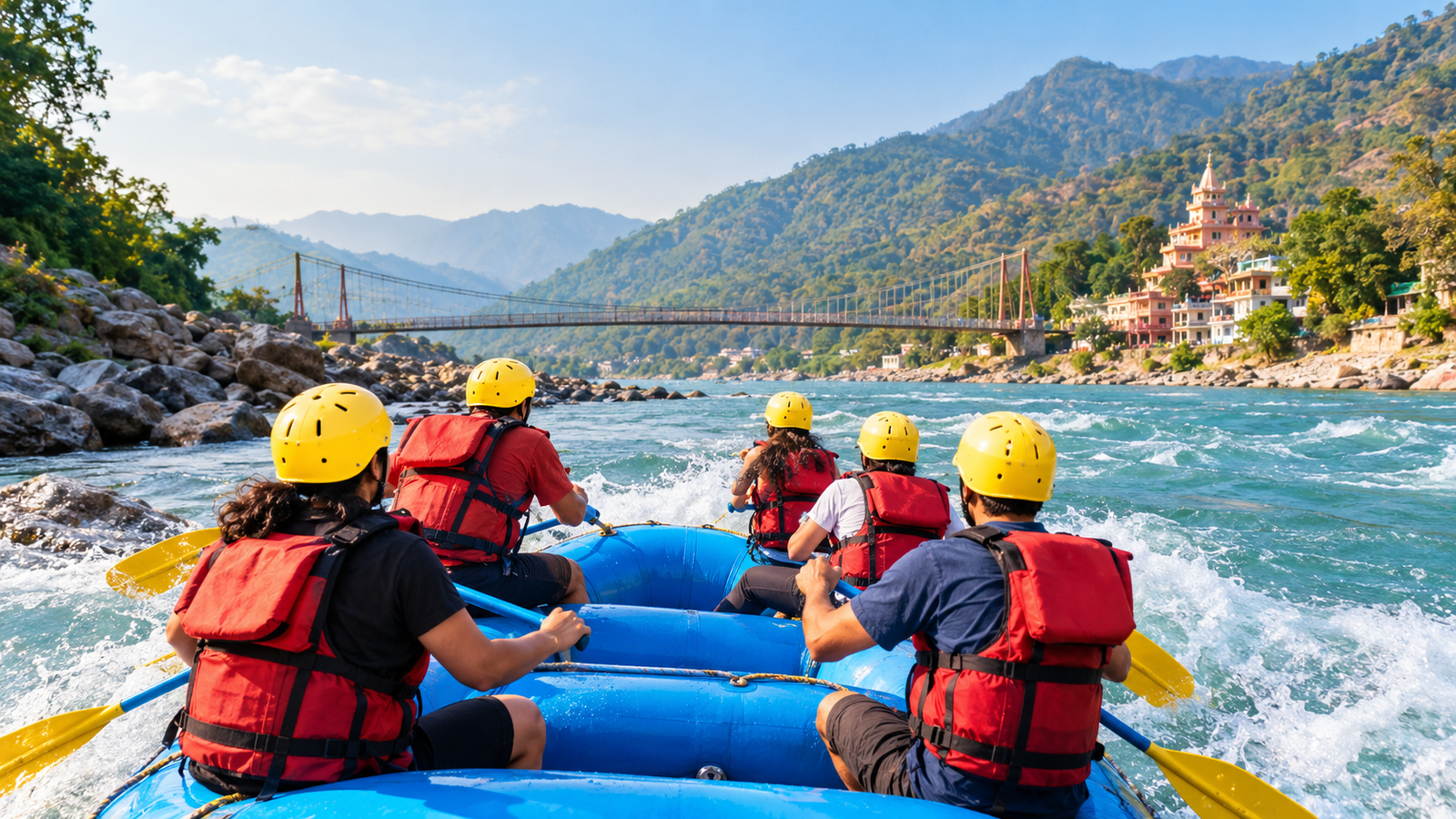
Rafting in Rishikesh: Quick Answer
The best time for rafting in Rishikesh is generally from late September to November and again from March to May. The broader rafting season typically runs from September or October through June, depending on river conditions, weather and local regulations. Peak monsoon months are generally unsuitable for rafting.
If you're planning a trip around rafting, choosing the right month is only part of the decision. The rafting route, river conditions, difficulty level and operator also determine what kind of experience you'll have.
Rishikesh Rafting at a Glance
| What You Want to Know | Quick Answer |
| Best time for rafting in Rishikesh | Late September–November and March–May |
| Rishikesh rafting season | Generally September/October–June |
| Peak monsoon | Rafting may be suspended |
| Best for beginners | Brahmapuri |
| Moderate adventure | Shivpuri |
| Longer adventure | Marine Drive |
| Advanced rafting | Kaudiyala |
| River | Ganga |
| Suitable for | Friends, couples, families and adventure travellers |
If you're looking for a comfortable base for your trip, you can also stay at Saltstayz Autograph Rishikesh near Triveni Ghat, which is around 1.4 km from Triveni Ghat and offers a rooftop pool, gym, parking and multiple room categories.
What Is the Best Time for Rafting in Rishikesh?
The best time for rafting in Rishikesh is generally October to November and March to May. These periods offer a practical combination of suitable river conditions and comfortable weather for outdoor activities. The wider rafting season can extend from September or October until June, subject to local conditions.
For first-time visitors, October and November are particularly convenient months because the post-monsoon season brings pleasant weather and rafting is a major activity around Rishikesh.
March to May is another popular window, especially for travellers who prefer warmer weather.
Rishikesh Rafting Season: Month-by-Month Guide
The rafting season in Rishikesh changes with the weather and condition of the Ganga. Unlike sightseeing attractions that remain accessible throughout the year, river rafting depends directly on water levels, rainfall and safety conditions.
September to November: Post-Monsoon Rafting
September marks the beginning of the broader post-monsoon rafting period, while October and November are among the most popular months for rafting in Rishikesh.
The weather becomes more comfortable and travellers can combine rafting with other Rishikesh experiences such as Ganga Aarti, cafés, temples and nature activities.
This period is suitable for:
- First-time rafters
- Couples
- Friends groups
- Weekend travellers
- Families with eligible participants
- Travellers combining rafting and sightseeing
October and November are particularly useful if rafting is one of the main reasons for your Rishikesh trip.
December to February: Winter Rafting
Winter falls within the broader rafting season, but the experience can feel colder because of lower temperatures and cold river water.
If you're comfortable with cold-weather outdoor activities, rafting can still be part of a winter Rishikesh itinerary depending on current operating conditions.
Pack warm clothes for before and after the activity and confirm the day's rafting availability before heading to the starting point.
March to May: Another Excellent Rafting Period
March to May is another favourable period for rafting in Rishikesh, particularly for travellers looking for warmer weather and outdoor adventure.
These months work particularly well for:
- Friends groups
- Couples
- Weekend trips
- Adventure travellers
- Family holidays with eligible participants
You can also combine rafting with a stay at Saltstayz Autograph Rishikesh near Triveni Ghat, giving you a comfortable base for exploring the city after your rafting activity.
June: End of the Main Rafting Window
June can fall within the broader Rishikesh rafting season, but conditions become increasingly dependent on weather as the monsoon approaches.
If you're planning a June trip, check the latest rafting operating status shortly before travelling rather than assuming every route will be available.
July to Peak Monsoon: Check Before Planning
Peak monsoon is generally not the time to plan a rafting-focused Rishikesh trip. Heavy rainfall can change river conditions quickly, and rafting operations may be suspended when conditions are considered unsuitable.
If rafting is the main purpose of your trip, it is better to choose a month within the established operating season and confirm the current status with an authorised operator.
Rishikesh Rafting Routes and Difficulty Levels
Rishikesh has several rafting stretches with different distances and levels of difficulty. Brahmapuri is commonly associated with easier rafting, while Shivpuri, Marine Drive and Kaudiyala provide progressively more challenging experiences.
1. Brahmapuri Rafting
Brahmapuri is a popular option for beginners looking for a shorter introduction to white-water rafting.
The stretch is approximately 9 km and is associated primarily with Grade II rapids.
Best for: Beginners, first-time rafters and travellers who want a shorter rafting experience.
2. Shivpuri Rafting
Shivpuri offers a longer and more adventurous experience than Brahmapuri.
The commonly offered stretch is around 16 km, with Grade III rapids.
Best for: Travellers who want more adventure while avoiding the most challenging stretches.
3. Marine Drive Rafting
Marine Drive offers a longer rafting experience, with the commonly cited stretch extending to approximately 25 km.
The route includes stronger rapids and is better suited to travellers who are comfortable with a more demanding rafting experience.
Best for: Adventure-focused travellers and experienced participants.
4. Kaudiyala Rafting
Kaudiyala is among the more challenging rafting stretches around Rishikesh.
The route includes stronger rapids and should be undertaken with professional guidance and appropriate safety equipment.
Best for: Experienced rafters and travellers specifically looking for a more challenging river experience.
Which Rishikesh Rafting Route Should You Choose?
Choose your rafting route according to your experience, comfort level and the current river conditions rather than simply choosing the longest route. Beginners can start with easier stretches, while experienced rafters can consider more challenging sections with professional guidance.
| Route | Approx. Distance | Difficulty | Best For |
| Brahmapuri | 9 km | Grade II | Beginners |
| Shivpuri | 16 km | Grade III | Moderate adventure |
| Marine Drive | 25 km | Higher difficulty | Adventure seekers |
| Kaudiyala | Varies | Advanced | Experienced rafters |
A longer route isn't automatically a better route. The right stretch is the one that matches your group's experience and comfort level.
Is Rafting in Rishikesh Safe?
Rafting can be undertaken safely when you choose an authorised operator, use the required safety equipment and follow your guide's instructions. River conditions can change quickly, so the operator's assessment and local safety regulations should always take priority.
Before starting your rafting experience, make sure you:
- Wear a properly fitted life jacket
- Wear a helmet
- Listen carefully to the safety briefing
- Follow the guide's commands
- Use an appropriate raft and equipment
- Inform the operator about relevant limitations before choosing a route
- Avoid alcohol before or during rafting
Do not choose a rafting package solely because it is cheaper. Safety equipment, guide experience and operator credentials are more important factors.
What Should You Wear for Rishikesh Rafting?
Wear clothing that is comfortable when wet and suitable for outdoor activity.
A practical rafting outfit includes:
- Quick-dry T-shirt
- Shorts or sports trousers
- Secure footwear
- Sunglasses with a secure strap
- Sunscreen
- A change of dry clothes
- Waterproof pouch for essential items
Avoid taking loose valuables onto the raft.
Your phone, wallet and other valuables are better left in a secure location provided by the operator or your accommodation.
Do You Need to Know Swimming for Rafting in Rishikesh?
You do not necessarily need to be a strong swimmer to participate in a guided rafting experience, but swimming ability can be useful in an outdoor water activity.
Your safety equipment and guide are important, but you should still tell the operator if you are uncomfortable in deep water.
Most importantly, choose a rafting stretch that matches your experience rather than selecting a challenging route simply because it looks more exciting.
How Long Does Rishikesh Rafting Take?
The duration of rafting depends on the route, distance, river conditions, weather and the package offered by the operator. A short Brahmapuri trip can take considerably less time than a long Kaudiyala itinerary.
Remember that the total activity time is more than the time spent inside the raft.
Allow time for:
- Travelling to the starting point
- Registration
- Safety briefing
- Equipment preparation
- Rafting
- Returning from the river
- Changing and getting ready afterwards
If you're planning a full-day itinerary, avoid scheduling another time-sensitive activity immediately after rafting.
What Is the Best Time of Day for Rafting in Rishikesh?
Morning is a practical time for rafting because it allows you to complete the activity earlier and keep the rest of your day free for sightseeing.
You can then explore places such as Triveni Ghat, local cafés, markets and other attractions later in the day.
If you're staying near the city centre, starting early can also make it easier to manage transportation to the rafting departure point.
Rishikesh Rafting for Families, Couples and Friends
Rafting in Rishikesh for Families
Families should consider age eligibility, route difficulty and individual comfort levels before booking.
A shorter and easier rafting stretch can be more suitable for a family group than choosing a challenging route simply because it is popular.
Always confirm the current age requirements with the rafting operator before booking.
Rafting in Rishikesh for Couples
Couples can combine rafting with a relaxed Rishikesh itinerary.
A typical day could include morning rafting, lunch, some downtime at the hotel and an evening visit to Triveni Ghat.
For couples who want to stay close to the city, Saltstayz Autograph Rishikesh near Triveni Ghat is a convenient accommodation option.
Rafting in Rishikesh for Friends Groups
Friends groups often choose longer routes because they can accommodate different levels of adventure.
However, everyone in the group should be comfortable with the selected difficulty level before booking.
For a first group rafting experience, starting with a moderate route can make the day more enjoyable for everyone.
How to Choose a Rafting Operator in Rishikesh
Choose an authorised rafting operator that provides proper safety equipment, trained guides and a clearly defined rafting route. Do not make your decision only on the basis of price.
Before booking, ask:
- Is the operator authorised?
- Which exact rafting stretch is included?
- What is the route distance?
- What difficulty level should we expect?
- What safety equipment is provided?
- Is transportation included?
- What happens if rafting is suspended?
- Are there age restrictions?
- Where will our belongings be stored?
These questions can help you avoid confusion on the day of the activity.
What Is the Best Month for Rafting in Rishikesh?
October and November are among the most practical months for rafting in Rishikesh, while March to May provides another favourable period. The broader rafting season can extend from September or October through June depending on river conditions and local operating decisions.
For travellers planning their first rafting trip, October–November and March–April are particularly convenient periods to consider.
When to Go Rafting in Rishikesh?
Go rafting in Rishikesh during the established operating season, with October–November and March–May offering practical windows for most travellers. Avoid planning a rafting-focused trip around peak monsoon unless you have confirmed that rafting operations are open and conditions are suitable.
Quick Planning Guide
- Best overall period: October–November
- Another good period: March–May
- For warmer weather: April–May
- Post-monsoon rafting: October–November
- Winter: December–February, subject to operations
- Peak monsoon: Check availability before planning
- Beginners: Brahmapuri is a commonly chosen easier stretch
- Moderate adventure: Shivpuri
- More challenging rafting: Marine Drive and Kaudiyala
Where to Stay in Rishikesh for a Rafting Trip?
If you're planning a rafting trip and want accommodation close to central Rishikesh, Saltstayz Autograph Rishikesh near Triveni Ghat is an option to consider.
The property is approximately 1.4 km from Triveni Ghat and offers a rooftop swimming pool, gym, parking, balcony/terrace options and multiple room categories. It also provides direct booking benefits on Saltstayz.com. Check rooms and stay details at Saltstayz Autograph Rishikesh.
You can also explore Rishikesh stays on Saltstayz when planning your trip.
Frequently Asked Questions
What is the best time for rafting in Rishikesh?
The best time is generally October to November and March to May. These periods offer favourable conditions for combining rafting with sightseeing and other outdoor activities.
What is the rafting season in Rishikesh?
The Rishikesh rafting season generally runs from September or October through June, although the exact operating period depends on river conditions, weather and local regulations.
Which rafting route is best for beginners in Rishikesh?
Brahmapuri is generally a suitable option for beginners, with a shorter route and mainly Grade II rapids. Shivpuri offers a higher level of adventure with Grade III rapids.
Plan Your Rishikesh Rafting Trip
Rafting in Rishikesh is more than simply choosing a date and booking a package. The month, river conditions, route difficulty and operator all influence your experience.
For most travellers, October–November or March–May provides a practical window to plan the trip. Choose a route that matches your group, confirm the latest operating conditions and use an authorised rafting operator.
After your rafting adventure, return to a comfortable stay, explore Triveni Ghat in the evening and make the most of your time in Rishikesh.
Book your stay at Saltstayz Autograph Rishikesh near Triveni Ghat →